Hi, I'm Anastasia — Product Designer who turns complex, technical products into tools people trust
I lead with empathy, dig deep into technical domains, and own the work end to end, 0→1 to production.
Selected work
Four problems worth the depth — complex, technical products made usable, and the design function behind them
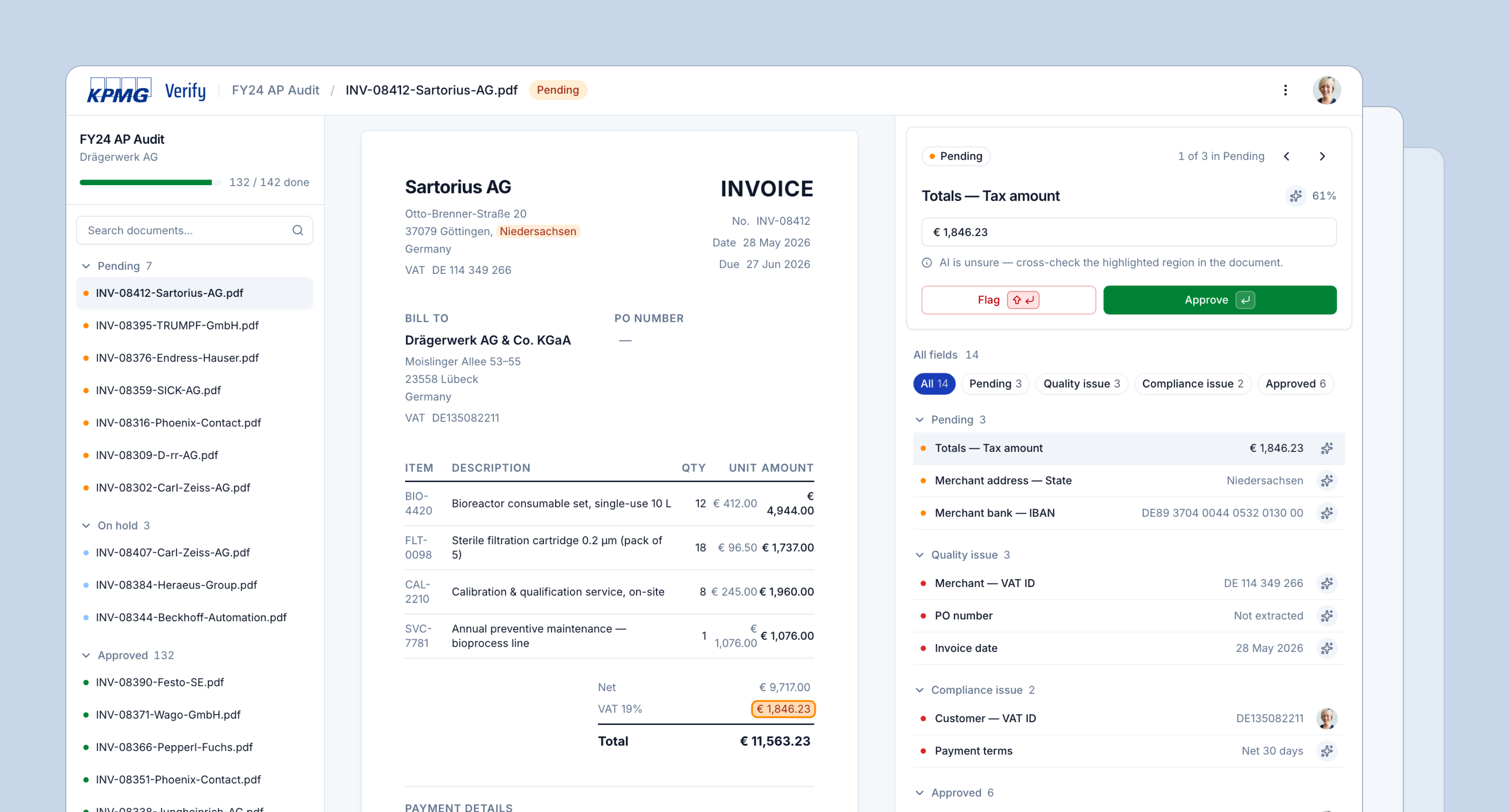
Turning LlamaExtract into a product
Customers kept rebuilding the same human-in-the-loop review around LlamaIndex's extraction engine — so I designed it in: cross-check, escalation, and a supplier loop.
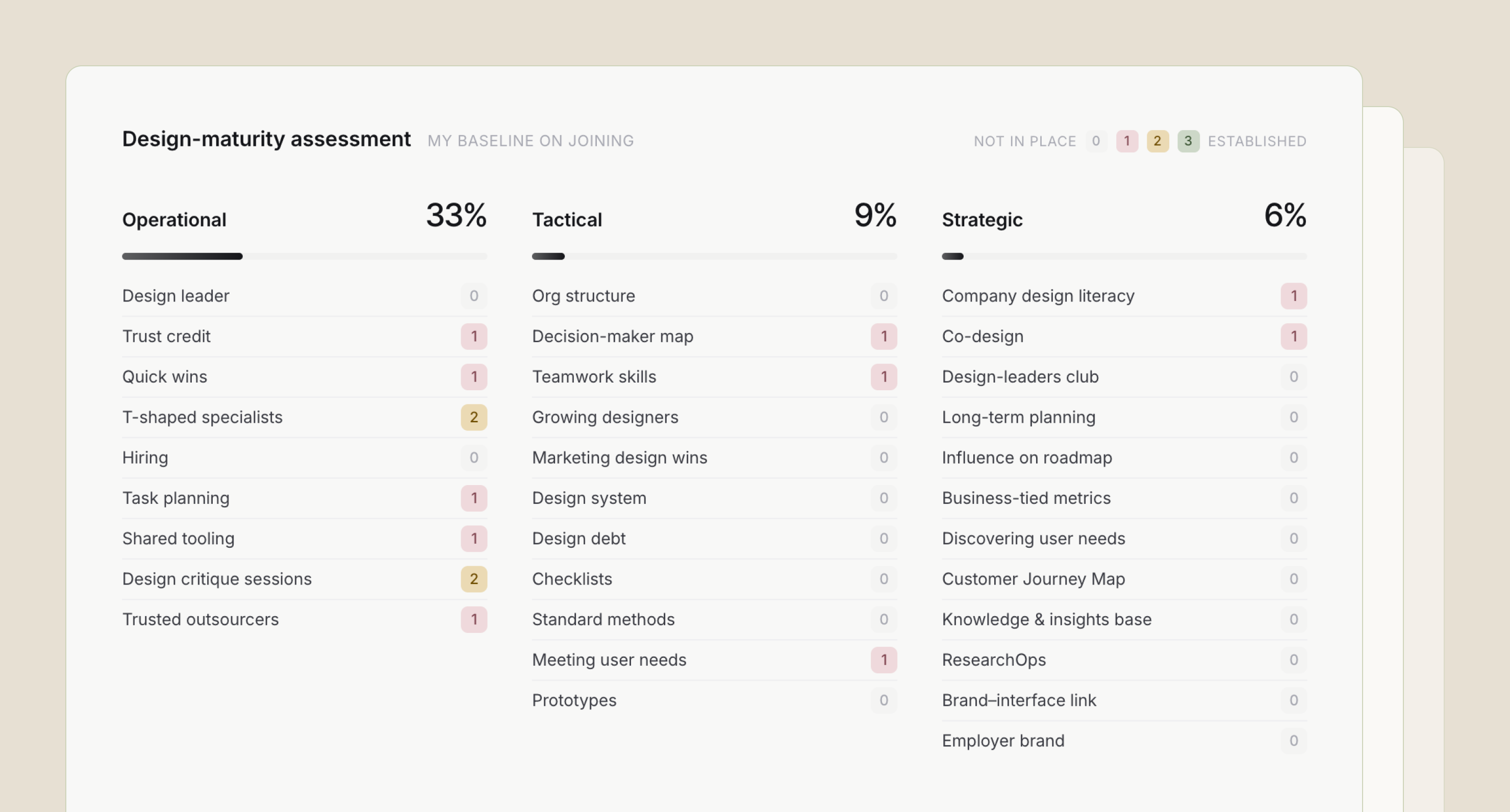
Building the design function from zero
Joining a pre-launch AI startup as its first designer and moving design from late-stage hands to a partner the team planned around — maturity diagnosis, stakeholder strategy, and the operating changes that stuck.
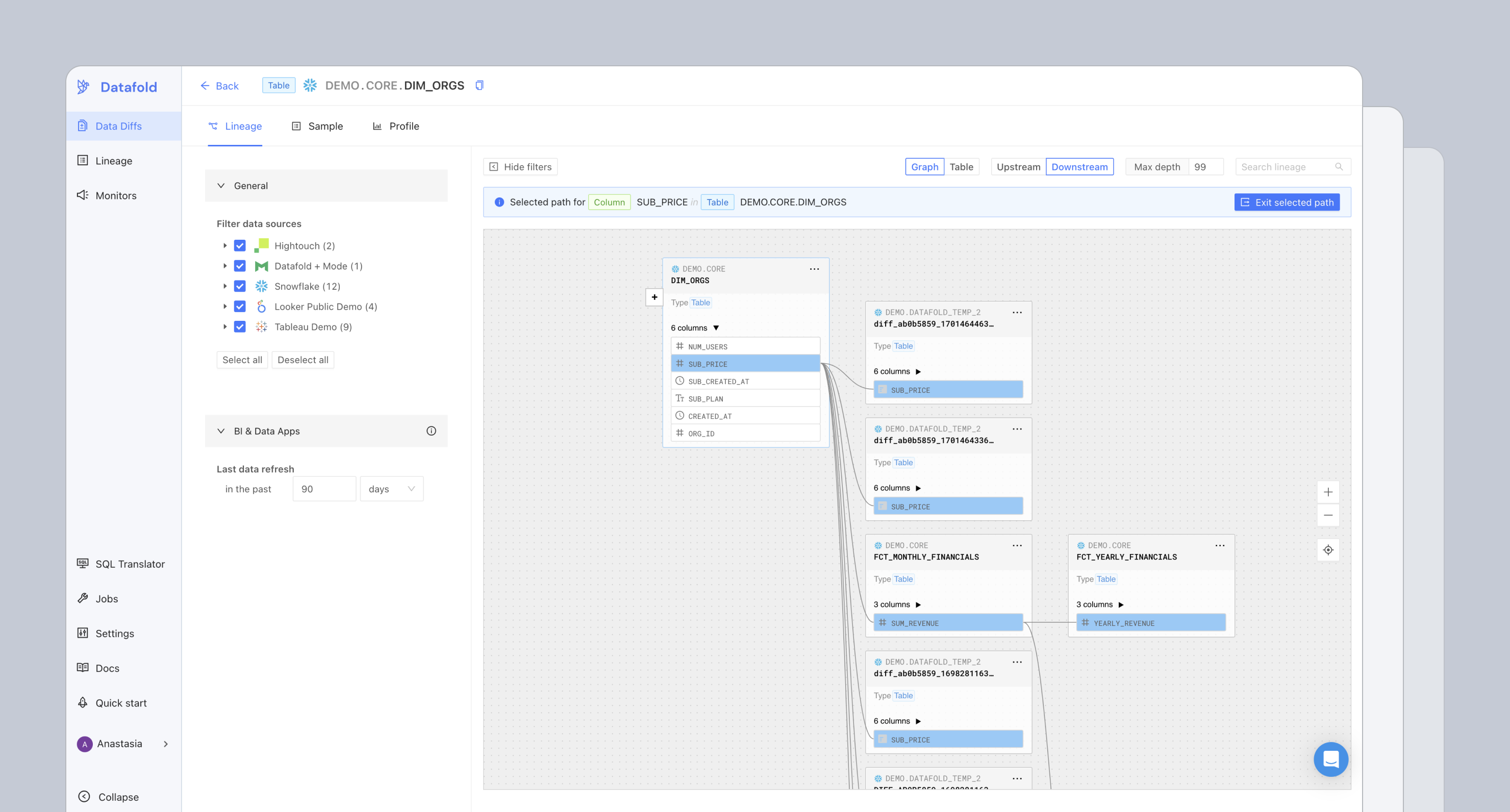
Making data lineage legible
Column-level lineage is a hairball by nature — as Datafold's first designer, I redesigned the engineering prototype into the graph data teams work in today.
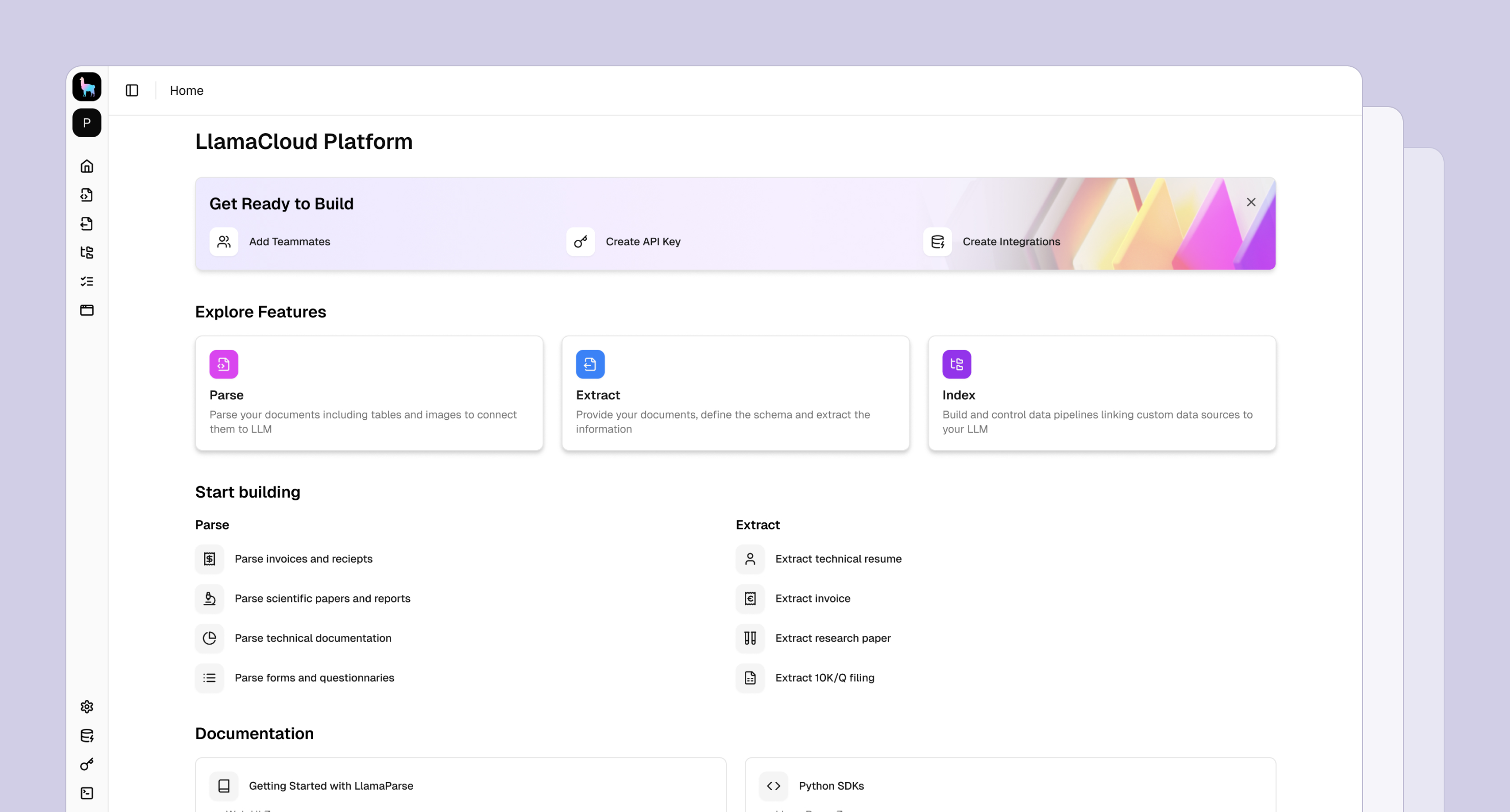
Building the LlamaIndex cloud platform
Six overlapping feature silos, rebuilt into one shared component model on a single unified pipeline — the platform's information architecture, end to end.
How I work
Over the last year, AI tools reshaped how I work end to end — blurring the line between product, design and delivery
Faster, deeper into the domain
My research partner — competitive scans, idea validation, and getting up to speed on complex domains myself instead of pinging engineers. Interview transcripts become a knowledge base I can query.
First drafts in hours, not days
I turn my first sketches and rough ideas into a clickable prototype with Claude Design and Claude Code — so stakeholders react to something real, and iteration starts in minutes.
Built in tandem with engineering
On a shared design system, I hand engineers a working front-end on mock data in Claude Code — they keep what fits and rebuild what doesn't. Minor fixes I ship myself.
Straight to production
A near-instant path to prod. The line between PM, designer and engineer has blurred — I own the product thinking, the design and the delivery end to end, not just the pixels.


" {{ q.text }}
A selection of visual craft
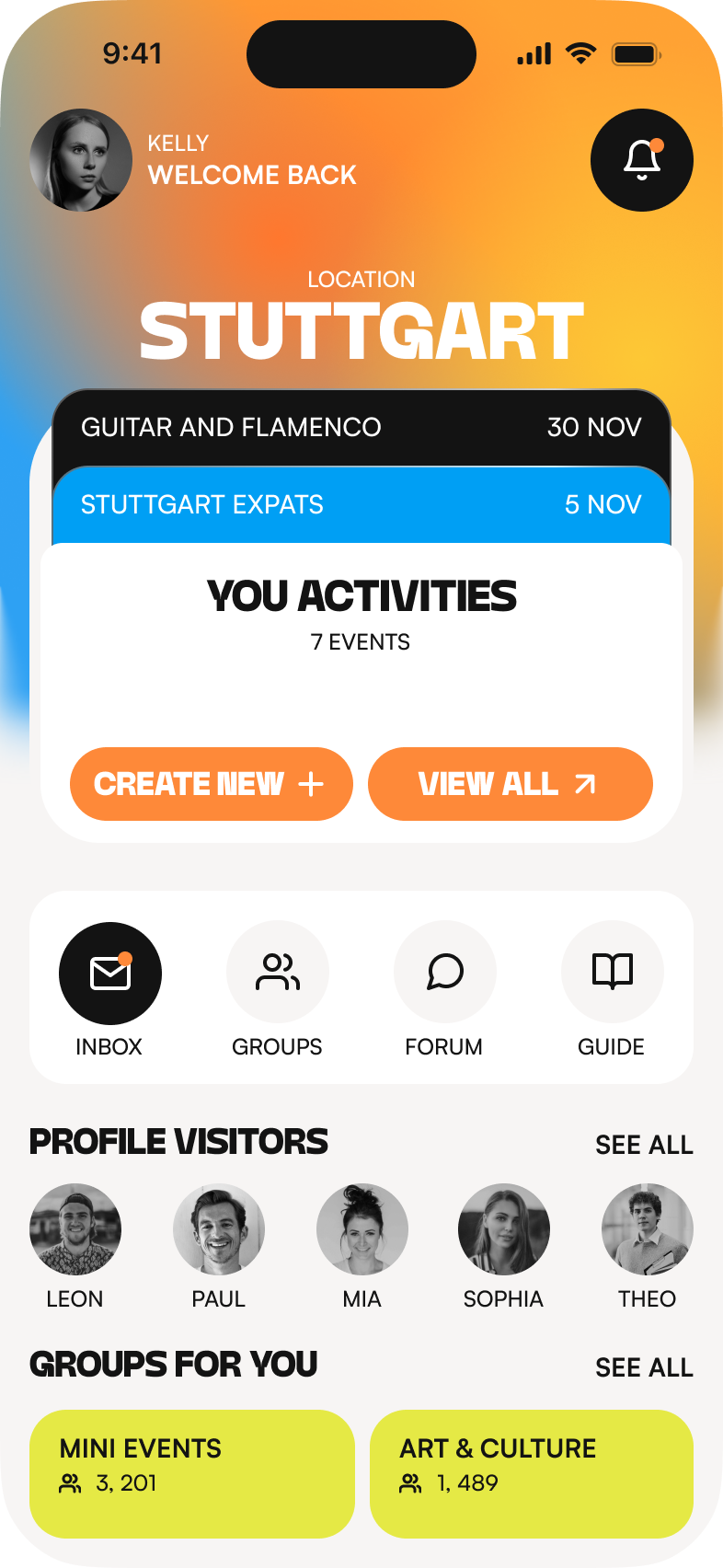
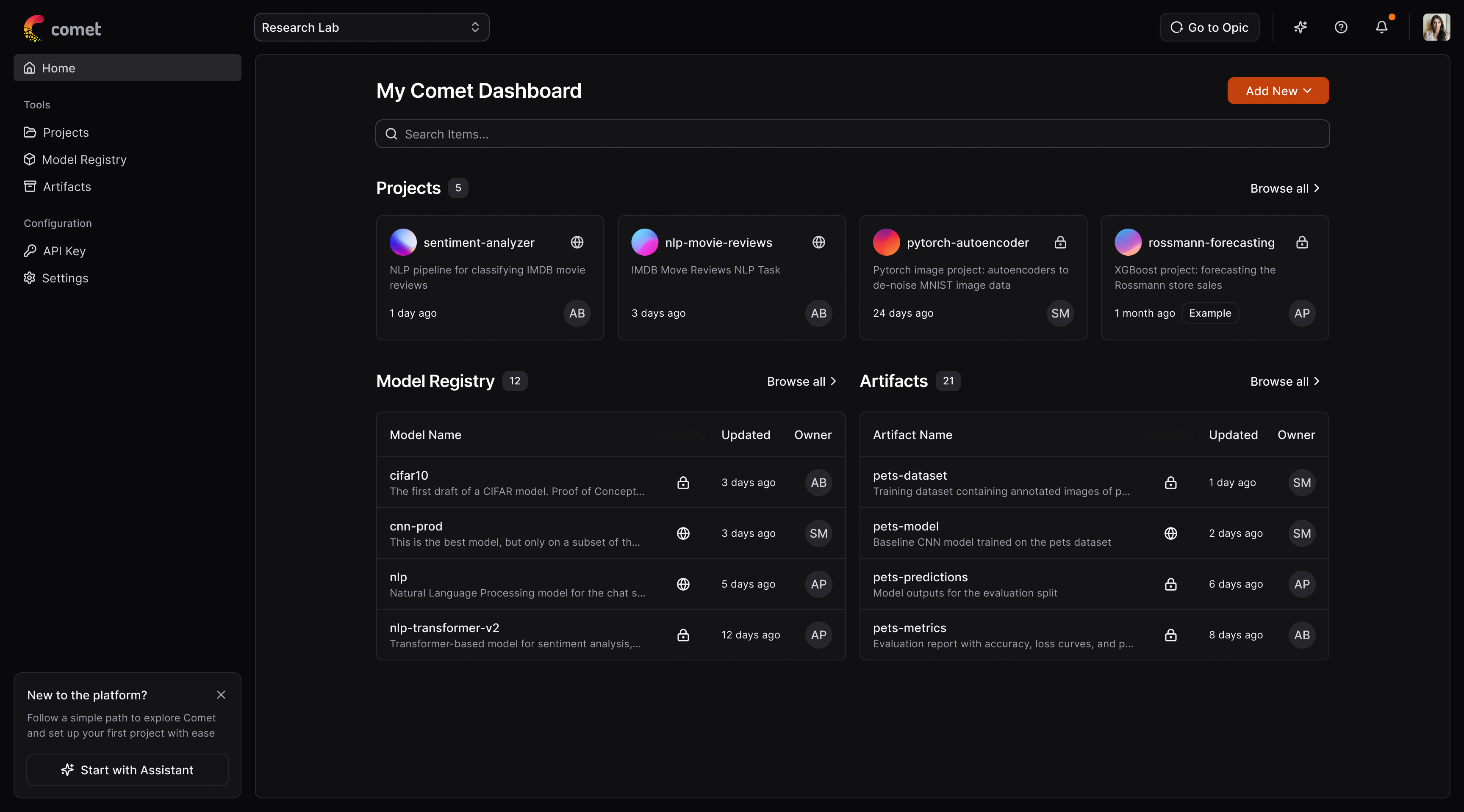
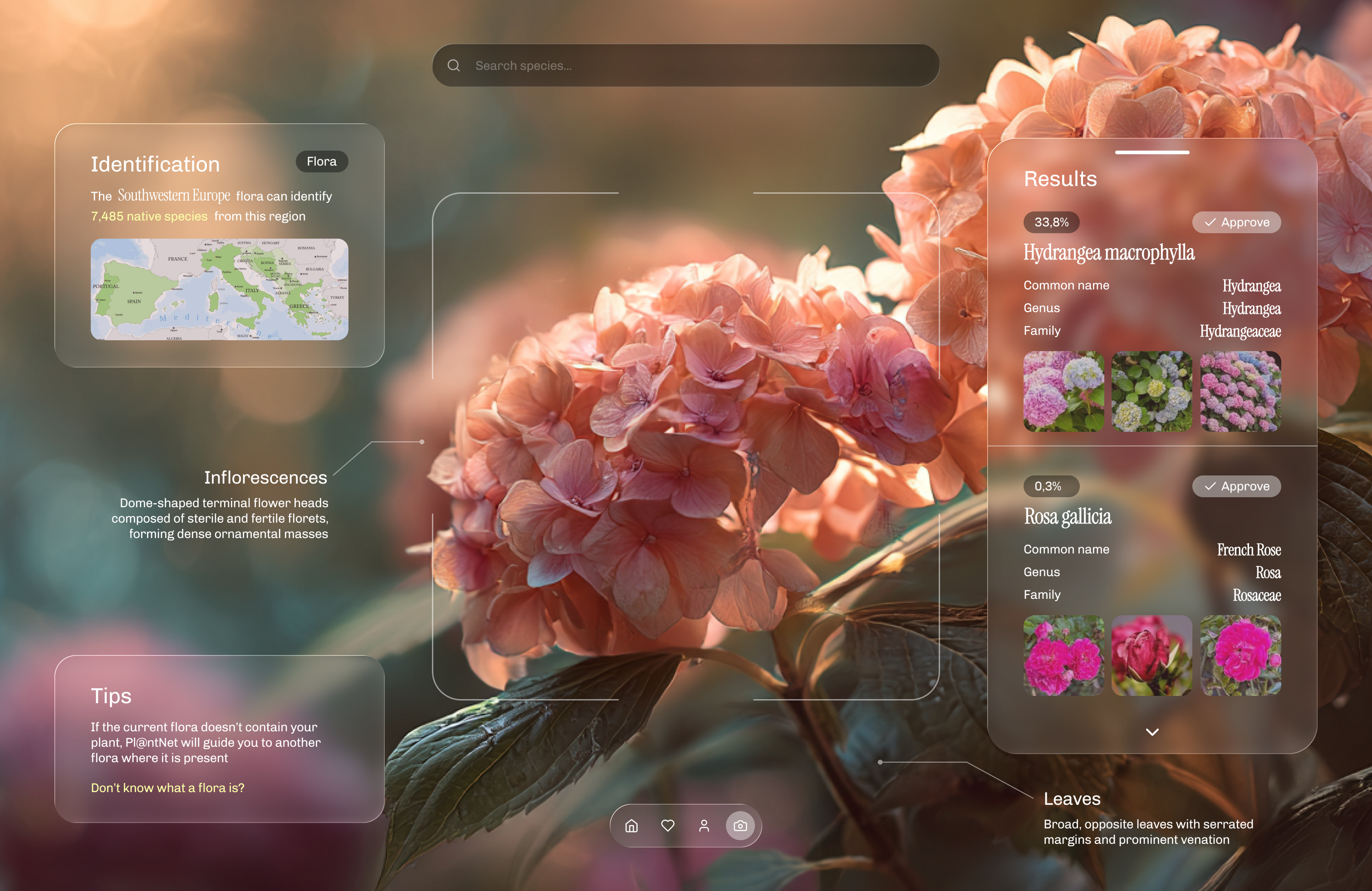
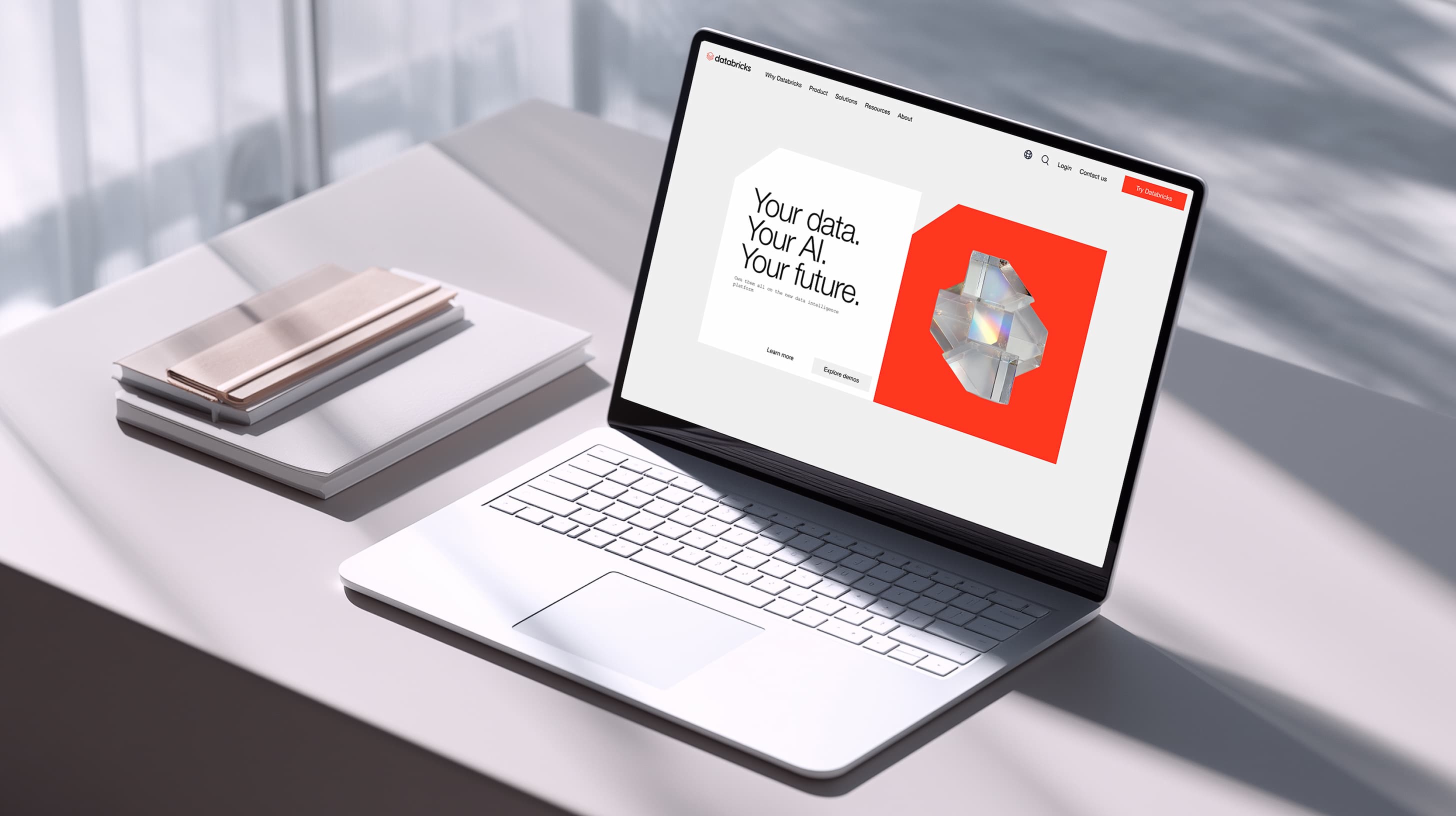
A concept reel, a product dashboard, a mobile app, a landing page, and a plant-ID sketch — the work between the case studies.